
Like a slow-burn signal flare, your libido can dim when stress and injury pile up. If you’ve noticed weaker erections or lower desire, it’s often not just “motivation” but sleep disruption, hormonal strain, and recovery gaps affecting performance. You’ll see how the first two weeks, nutrition choices, training volume, and pelvic floor work can restore function—while alcohol, smoking, and porn may work against you. But what specific metrics tell you it’s truly improving?
Great Points
- Stress elevates cortisol, which can suppress testosterone and reduce libido and sexual performance.
- Proper sleep (7–8 hours) and nutrition stabilize hormones and support recovery, directly impacting sex drive.
- Overtraining without recovery raises cortisol and can contribute to low libido and erectile dysfunction.
- Lifestyle factors like alcohol, smoking, and poor cardiovascular health can reduce blood flow and worsen erectile function.
- Track libido, mood, and recovery, and seek clinician support if issues persist; pelvic floor training may help erections and endurance.
Why Stress And Injury Can Tank Libido
When you’re dealing with chronic stress or an injury, it can directly disrupt the body’s hormonal and nervous-system signals that drive desire. With stress, cortisol rises, which can suppress testosterone production and contribute to low libido. If you’re managing physical injuries—especially pelvic or spine injuries—blood flow and nerve signaling may be impaired, making sexual performance harder to achieve and sustain. Stress-related anxiety can also blunt arousal by pulling your attention away from intimacy and toward threat monitoring. Hormonal imbalance may then fuel fatigue and reduced motivation, further lowering interest in sex. After injury, recovery and rehabilitation take time; during that period, diminished confidence and self-esteem can also worsen low libido. If symptoms persist, you should consult a clinician.
First 2 Weeks: Sleep And Hormones
After stress and injury have been disrupting your libido, the first place to look during recovery is your sleep. In the first 2 weeks, aim for 7–8 hours nightly: sleep deprivation raises cortisol and can reduce testosterone, contributing to low sex drive and impaired sexual health. During sleep cycles—especially REM—hormones fluctuate and testosterone tends to peak overnight, so broken or poor-quality sleep can blunt that signal. If you’re more anxious or stressed at night, your sleep quality often drops, further worsening overall health and performance. Use sleep hygiene now: consistent bedtime/wake time, a cool dark room, and limit late screens.
| Sleep target | Hormone impact |
|---|---|
| 7–8 hours | supports testosterone |
| Quality sleep | less cortisol, better drive |
| Consistent schedule | stabilizes cycles |
| Restful environment | improves sexual health |
Nutrition To Support Testosterone And Recovery
To support testosterone and recovery, you’ll benefit from eating in a way that provides the key building blocks your body uses to maintain hormone production and repair after stress or training. Focus on a balanced diet that includes enough protein to support testosterone levels and muscle recovery. Add zinc-rich foods—like oysters and pumpkin seeds—to support testosterone production and sperm health. Include healthy fats, especially omega-3 fatty acids from fish, to promote hormone synthesis and faster recovery after intense activity. Get adequate vitamin D through sunlight or fortified foods, since it helps regulate testosterone and may improve libido. Finally, eat antioxidant-rich fruits and vegetables to reduce oxidative stress and maintain hormonal balance. These nutrition choices can enhance sexual desire and overall health benefits.
Training Volume: Avoid Overreaching For Erections
Training volume needs to be managed carefully, because repeatedly high workloads without enough recovery can push your body toward overreaching and worsen erectile function. If you’re doing regular exercise but not allowing recovery, cortisol can rise and libido can drop—especially if low testosterone is already a concern. Evidence suggests that a balanced training regimen supports hormonal health, which helps protect sexual drive. Watch for early overtraining signs: persistent fatigue, irritability, and decreased sexual drive. Those signals mean you should reassess training volume and intensity. Use scheduled rest days and active recovery to maintain training quality while optimizing recovery and hormone signaling. If sexual performance declines despite changes, talk with a clinician to evaluate low testosterone and related causes.
Carbs, Protein, And Fats For Better Performance
Getting your carbs, protein, and fats right can support energy, recovery, and hormone health in ways that translate to better performance and sexual function. Prioritize complex carbs from whole grains to fuel sustained activity, including training and arousal-related stamina. Aim for protein intake around 0.8 g per kilogram body weight to support muscle repair and growth after sessions, which improves overall performance capacity. Include healthy fats—especially omega-3 rich fish and avocados—to help sustain hormone production, including testosterone, a key driver of libido. A balanced mix of carbs, protein, and fats also supports mood and recovery, making you feel more capable and consistent. Don’t forget hydration, since adequate water improves nutrient transport and circulation, reinforcing stamina and sexual function.
Protect Erection Quality During High Stress
High stress can directly undermine erection quality by elevating cortisol, which may suppress testosterone production and dampen libido. In clinical studies, chronic stress is linked to erectile dysfunction—a condition estimated to affect around 30 million men in the U.S.—so you shouldn’t ignore it when protecting your sexual health. To buffer stress, you can use mindfulness and relaxation exercises; these reduce sympathetic arousal and may support more reliable erection quality. Regular physical activity also helps: it lowers baseline stress and is associated with healthier testosterone levels and improved erectile function. Finally, talk openly with your partner about stressors—emotional safety and intimacy can reduce performance pressure, which otherwise worsens erection quality.
Hydration And Electrolytes For Blood Flow And Stamina
Hydration isn’t just about quenching thirst—it’s essential for maintaining adequate blood volume, which supports circulation and stamina during physical exertion, including sexual activity. When you’re dehydrated, blood flow can drop and you may feel less energetic, which can contribute to worse libido and reduced sexual performance. Aim for regular hydration throughout the day, especially with heat, sweating, or hard training. After prolonged activity, replace electrolytes—especially sodium, potassium, and magnesium—because they support muscle function and help prevent cramps and fatigue. You can use fluids rich in electrolytes, like sports drinks or coconut water, to replenish losses and support recovery. Better cardiovascular health from stable hydration and electrolytes may further improve blood flow and arousal.

Supplements: What Might Help (And What To Skip)
When you’re considering supplements for male performance and recovery, start with an evidence-minded approach: prioritize options that may support libido, energy, and stress regulation, and treat results as variable rather than guaranteed. If you’re dealing with low sexual desire, products containing maca root, L-tyrosine, and ashwagandha may help some people, especially alongside balanced diet and regular exercise. Still, talk with a healthcare provider first—especially if you have ED, low testosterone symptoms, or take other meds—and stop if you get adverse effects.
| Consider | Skip/Be cautious |
|---|---|
| Maca root for libido | High-dose “secret blends” |
| L-tyrosine for energy | Unverified stimulants |
| Ashwagandha for stress | Unregulated sources |
| Reputable purchase | Claims of guaranteed erections |
| Consistent use | Replacing good health habits |
Gut Health And Its Link To Mood And Sex Drive
Because your gut and brain communicate through immune, hormonal, and neural pathways, gut health can meaningfully influence both mood and sex drive. When your gut microbiome is balanced, it can support serotonin production, helping stabilize mood and emotional well-being that underpin libido. If you have gut dysbiosis, research links it with higher anxiety and depression, which often reduce desire and sexual performance.
You can target gut health with diet strategies that may also help regulate hormones involved in testosterone signaling:
- Fiber-rich foods to support beneficial bacteria
- Fermented products for gut microbial diversity
- Probiotics to improve gut health
- Prebiotics to feed those probiotics
Clinical studies suggest improved gut health may enhance sexual arousal and satisfaction by lowering stress.
Fix Pain And Inflammation So You Can Train
Chronic pain and persistent inflammation can derail your training plan by limiting movement, reducing strength output, and slowing recovery between sessions. If you deal with arthritis or tendinitis, you’re more likely to lose endurance and power over time. Aim to fix pain and inflammation early so you can train consistently, support health and sexual function, and maintain peak sexual drive. Evidence-based options include anti-inflammatory foods (especially omega-3s from fish) and targeted supplements like curcumin or ginger, which have shown potential to reduce pain and inflammation. Use graded activity, proper loading, and sleep to improve recovery. Reducing inflammatory signaling may also support increasing dopamine, helping motivation and mood so you can stay engaged in health and sexual wellness.
Daily Timing: Pre-Sex And Workout Fuel
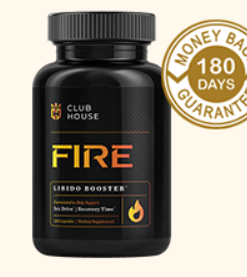
Once pain and inflammation are under control, you can time your nutrition and supplementation to better support both recovery and sexual performance. Clubhouse Fire’s label directions call for five capsules a day, so take it at the same time each day rather than only before planned sex or a workout. The rationale is simple: stable nutrient timing supports energy availability, mental focus, and training adherence, which can indirectly benefit libido and performance. Aim to combine the supplements with a balanced diet and regular exercise to help maintain hormone-relevant pathways and testosterone-supportive conditions. Prioritize the same window each day for predictable results.
Once inflammation settles, take Clubhouse Fire daily as directed—five capsules at a consistent time—to support energy, focus, and consistent performance.
- Take five capsules daily at a consistent time
- Use L-tyrosine and maca to support neurotransmitters
- Maintain consistent daily routines for libido
- Pair with diet and exercise to protect performance
Pelvic Floor Training For Stronger, More Controlled Erections
Pelvic floor strength is a key, trainable factor in erectile control and endurance. When you train the pelvic floor—muscles that support the bladder and rectum—you can improve the firmness and reliability of erections. Consistent Kegel-type exercises have been studied for erectile dysfunction, with studies reporting meaningful symptom improvement for many men over time. As you strengthen these muscles, you may also enhance blood flow to the pelvic region, which supports stronger erections during sexual activity. Improved pelvic floor function can increase stamina, helping erections last longer and improving satisfaction. Add pelvic floor training to your regular fitness routine, and you may notice better overall sexual health and libido, likely via improved systemic regulation.
Alcohol, Smoking, And Porn Habits That Blunt Libido
If you’re noticing weaker erections or a dip in desire, your day-to-day habits may be part of the problem—especially alcohol, smoking, and frequent porn use. Alcohol consumption can interfere with hormone signaling, contribute to dehydration, and—when heavy—lower testosterone, which can blunt libido and sexual performance. Smoking reduces blood flow and oxygen delivery through nicotine-induced vasoconstriction, raising the risk of erectile dysfunction and lower arousal.
Consider these evidence-based targets:
- Cut alcohol consumption, especially binge patterns
- Quit smoking; ask for cessation support
- Limit porn frequency to improve real-partner arousal
- Track sleep, hydration, and cardiovascular risk
With lifestyle changes, you’re more likely to restore circulation, support testosterone balance, and improve desire.
Track Recovery With 5 Simple Performance Metrics
To make sure your recovery efforts are actually paying off, start tracking five practical performance metrics that reflect the hormonal, circulatory, and neurological systems tied to sexual health. Track recovery by logging energy daily, because consistent stamina and alertness often support production of testosterone and overall male sexual function. Watch libido changes with a weekly record of desire and sexual frequency. Use a simple mood/stress scale; better nervous-system balance can align with improved libido changes. Monitor physical performance (strength/endurance) as a proxy for circulatory and neuromuscular recovery. Finally, track sleep duration and quality since restorative sleep supports hormone regulation.
| Metric | How often | Why it matters |
|---|---|---|
| Energy | Daily | Supports well-being |
| Libido log | Weekly | Tracks libido changes |
| Mood/stress | Daily | Nervous-system tone |
| Sleep | Nightly avg | Hormone regulation |
See A Clinician When Libido Or Erections Don’t Return
If your libido stays low or your erections don’t return after a few weeks, it’s a good idea to see a clinician—because persistent symptoms can reflect treatable underlying causes rather than just “normal” fluctuations. You deserve professional guidance that centers on health issues, not guesswork.
A clinician can:
- Review symptoms and medical history to separate erectile dysfunction from other causes
- Order blood tests to check testosterone when low libido is persistent
- Assess medication side effects and suggest alternatives if needed
- Discuss lifestyle factors (stress, diet, exercise) that can worsen recovery and sexual function
Don’t wait until things spiral. Early evaluation often leads to targeted treatment, improving libido, erections, and overall well-being.
Common Questions
At What Age Is Sex Drive Highest?
Sex drive is typically highest in men during their late teens to early twenties, when testosterone levels are generally at their peak. After age 30, testosterone gradually declines, and libido often drops as well, though individual variation is common. Stress, relationship factors, medications, sleep, and overall health can shift desire at any age. If your sex drive feels persistently low, it’s worth discussing causes like erectile dysfunction or low testosterone with a clinician.
What Activates Horniness?
Horniness gets activated when your brain, hormones, and body line up—think dopamine and norepinephrine ramping arousal, while high serotonin can dampen it. You’re most likely to feel it with adequate testosterone, reduced stress/cortisol, good sleep, and healthy vascular function. Physical touch triggers oxytocin too. Libido also improves when you address erectile dysfunction, low T, and medication side effects, ideally with your clinician.
How to Increase Energy While Sex?
To increase energy during sex, you should focus on blood flow, fueling, and stress control. Exercise regularly (especially cardio) to boost stamina and circulation. Hydrate well, and consider pre-intimacy snacks like bananas or spinach for micronutrients. Limit heavy meals and alcohol right before. If you’re often fatigued, ask a clinician about testosterone, erectile dysfunction, sleep apnea, or anemia. For stress, try deep breathing or mindfulness, and consider ashwagandha if appropriate.
Do Energy Drinks Increase Sex Drive?
Yes, energy drinks can seem to increase sex drive, but mostly indirectly—like a 2000s “pre-game ritual” for stamina. Caffeine may improve alertness and mood temporarily, yet evidence doesn’t show it boosts libido reliably. If you overdo it, sugar crashes and anxiety can lower desire and impair erection quality. Use them sparingly, and address causes of low libido—like ED or low testosterone—through a clinician.
Overall
You can’t willpower your way past chronic stress, poor recovery, or unresolved injury—your body needs time to rebuild. Prioritize sleep, nutrition, and smart training volume, and support pelvic floor strength with consistency. Cut back on alcohol, smoking, and compulsive porn if they’re harming arousal. Track recovery using simple performance metrics, so you spot setbacks early. When libido or erections don’t return, see a clinician—“prevention is better than cure.”